Mass Shooting Threats
Clinicians may encounter patients who make threats of public violence
Mass shootings have become more common in America and have long-lasting psychological impacts on survivors, their families, and communities.
Each year, about 58 people are killed and another 144 people are injured in public mass shootings across the US.1 While public mass shootings tend to receive the most media attention, these incidents are relatively rare compared to other types of firearm injuries, accounting for less than 1% of annual firearm deaths on average.1,2 Mass shootings can be reduced by utilizing existing interventions on those who display warning signs prior to committing acts of violence and tragedy.
Most mass shooters have not been diagnosed with a serious mental illness and have no prohibitory criminal history, so are able to obtain their firearms legally.
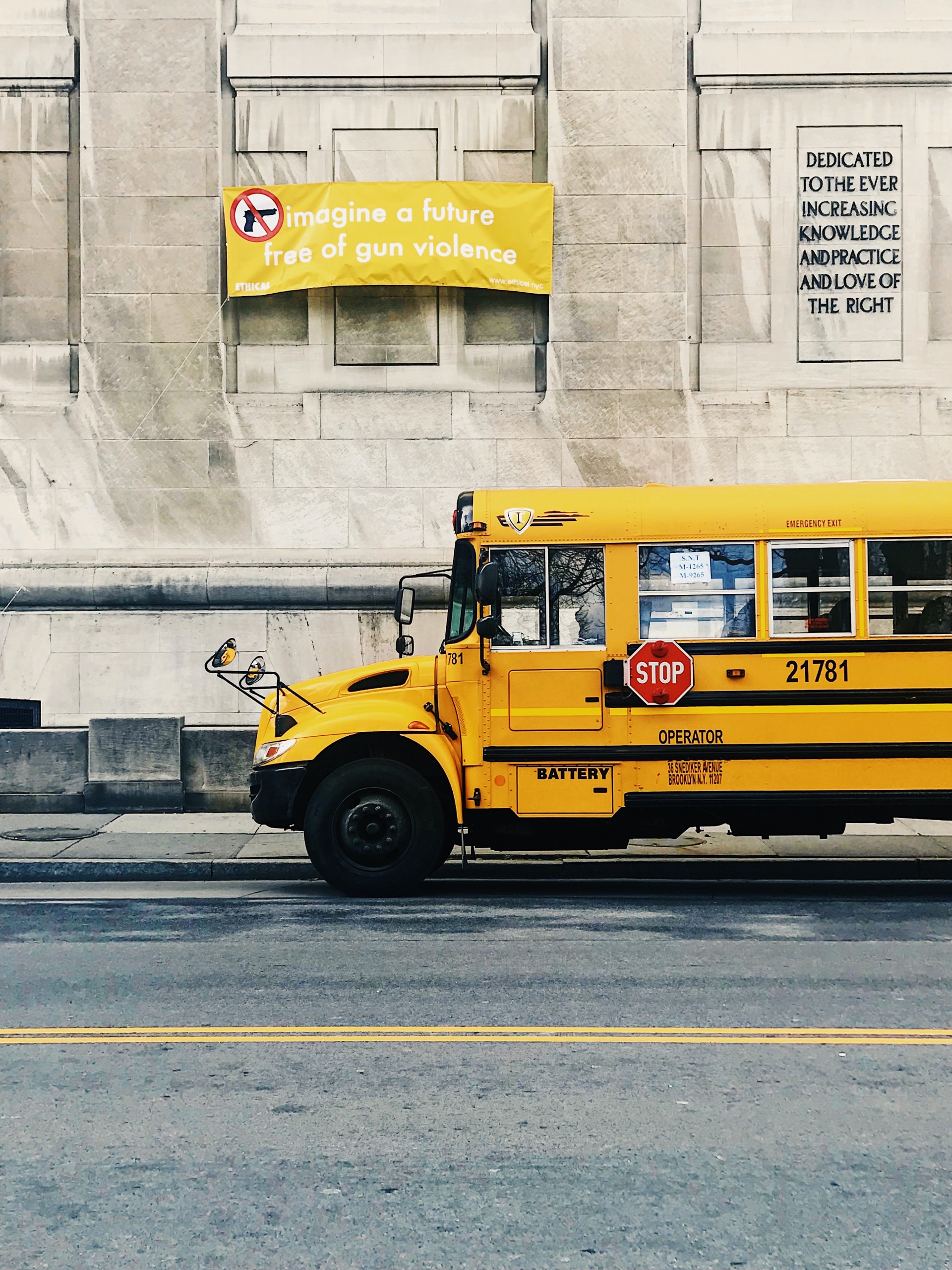 The Numbers
Public mass shootings (defined as an event in which four or more victims were killed in a public place outside the context of other crimes)1 have captured the attention of Americans in the last few decades, and for many, are their primary concern about gun violence. Most of the deadliest mass shootings in US history have happened since 2015, and since then, mass shootings have generally increased in frequency and lethality.3,4 Between 2015 and 2024, 575 people in the US were killed and another 1,442 injured in public mass shootings.1 During the same period, there were also more than 4,900 incidents in which four or more people were shot; however, because some victims survived, or because many of these incidents involved other criminal activity or took place inside a home, they do not meet the definition of public mass shootings.5 School shootings, which are uniquely tragic, have become more common and have changed the educational landscape for many children.
Who’s At Risk
No reliable demographic profile exists to identify mass shooters before they act, as the traits they often exhibit are also common in the general population. Multiple studies have found certain characteristics common to mass shooters: nearly all are males who act alone, have experienced stressors or loss (death of a loved one, job loss, relationship ending), and plan their actions for some time.3 School shooters also tend to exhibit behavioral problems at school and have grievances with peers.4
Another commonality among mass shooters is that many of them exhibit some form of “leakage” – communicating their plans in advance in person, in writing, or over social media. This has proven one of the most reliable identifiers of at-risk individuals. However, in many highly publicized cases where the person made threats or exhibited concerning behaviors before acting, law enforcement was aware of the risk but had few tools with which to intervene. In the absence of criminal activity or qualifying psychiatric symptoms, a person cannot be legally detained. Many mass shooters were not prohibited from firearm ownership and were able to purchase their guns legally.3
Histories of stalking, domestic or intimate partner violence, and affiliation with extremist ideology are much more common among mass shooters.

While criminal records for violence are relatively rare among mass shooters, histories of stalking, domestic or intimate partner violence, and affiliation with extremist ideology, are much more common. Domestic disputes have been determined to be precipitating factors in roughly one-fifth of public mass shootings.6 Many mass shooting perpetrators have histories of stalking or assaulting women. Misogyny and anti-immigrant and racist beliefs are common among mass shooters, as is following extremist or fringe ideologies.7
It is commonly and incorrectly assumed that people commit mass shootings because of mental illness, and that such threats should be addressed by the mental health system – that getting the individual into treatment will deter them from violence and prevent them from purchasing or owning firearms. The reality is that while many mass shooters have interfaced with the mental health system at some point, most do not have a diagnosed serious mental illness at the time of the shooting, and often do not meet criteria for involuntary psychiatric commitment or for firearm prohibitions through the mental health system.3
What You Can Do
Clinicians should be aware of patients who present with signs concerning for mass violence, including extreme grievances and grudge holding, fixations on violent extremist groups, and violent fantasies. They should take any ideations or threats seriously and know whom to contact for collaboration. This may include risk management or legal teams at their institution, local or federal law enforcement, or a multidisciplinary threat assessment and management team. The FBI provides a tip line (http://www.fbi.gov/tips or 1-800-225-5324 [800-CALL-FBI]) for threats and can triage calls and delegate follow-up to appropriate local agencies.
Clinicians should also conduct a complete assessment or, if appropriate, refer to a mental health professional to do one. The Threat AID Tool can help walk them through important components of the interview, collateral gathering, and contacting appropriate authorities to conduct further investigation.
If the risk of violence appears to be due to mental illness, an involuntary mental health hold (known as a 5150 in California) may also be appropriate. These holds may remove the person’s ability to carry out threats for a short period of time while they are in psychiatric care. However, they should not be relied upon as a mechanism for removing firearm access.
Various types of civil protective orders can prohibit a potentially dangerous person from having contact with a potential victim, or from purchasing or possessing a firearm. In California, clinicians cannot petition for protective orders on behalf of a patient but should be aware of the array of orders available and ready to discuss or seek out options as clinically indicated.
Extreme risk protection orders (ERPOs), also known as “red flag” laws or gun violence restraining orders (GVROs) in California, are a way to remove weapons from a dangerous situation, and have shown promise as an intervention for mass shootings. A recent study examined 662 ERPOs filed in six states to intervene in threats of mass shootings, and while it is unknown how many of these plans would have been carried out, none of the individuals had gone on to perpetrate acts of gun violence at the time the article was published.8
Because of the relationship between domestic violence and mass violence, a domestic violence restraining order (DVRO) may be appropriate to consider for patients who express concern about the violence potential of a family member or intimate partner. If threats are made of violence at a school or workplace, a setting-specific violence prevention order may be most appropriate if available in the jurisdiction. Unlike ERPOs, these orders can provide other protections beyond firearm removal that may include no-contact or stay-away orders.
In the event that a threat of serious bodily harm to a reasonably identifiable victim is made to a psychotherapist or licensed mental health clinician, a “Tarasoff” report or duty to protect or warn may be merited depending on state requirements.

In situations where a minor appears to be at risk of committing an act of mass violence, it’s important to address access to firearms in the home with other household members. Eighty percent of school shooters acquire their guns from their home, family member, or friend.9 Safely storing guns and ammunition locked and separate from each other so they are inaccessible to the person at risk or temporarily storing firearms outside the home may serve as a deterrent.
Page last updated May 2026.
- Mass Shooting Database. Calculations were based on the years of available data (1966-2024).
- Web-based Injury Statistics Query and Reporting System (WISQARS) [online].
- A Study of the Pre-Attack Behaviors of Active Shooters in the United States Between 2000 – 2013. Federal Bureau of Investigation, U.S. Department of Justice.
- Protecting America’s Schools: A U.S. Secret Service Analysis of Targeted School Violence. U.S. Secret Service, Department of Homeland Security.
- https://www.gunviolencearchive.org/mass-shooting.
- Mass Murder with Firearms: Incidents and Victims, 1999-2013. Congressional Research Service.
- A Common Trait Among Mass Killers: Hatred Toward Women.
- Extreme risk protection orders in response to threats of multiple victim/mass shooting in six U.S. states: A descriptive study. Preventive Medicine.
- School shootings: Should parents be charged for failing to lock up guns used by their kids?
Learn more about potential interventions
The FBI tip line for threats will triage calls and delegate follow-up to appropriate local agencies.
Protective orders can remove firearms from dangerous situations.
Mental health holds can help people at risk of suicide or violence get into psychiatric care.
Psychotherapists have a duty to protect third parties from violence threatened by their patients.
If guns are kept in the home, storing them safely can prevent firearm injury.
Storing guns outside the home when someone is at risk can be lifesaving.
For more information, see these peer-reviewed articles.
Wintemute, G. J., Pear, V. A., Schleimer, J. P., et al. (2019). Extreme Risk Protection Orders Intended to Prevent Mass Shootings. Annals of Internal Medicine.
Marvel, D., Mejia, P., Nixon, L., et al. (2018). Issue 25: More than mass shootings: Gun violence narratives in California news. Berkeley Media Studies Group.
Wintemute, G. J. (2018). How To Stop Mass Shootings. New England Journal of Medicine.
Metzl, J. M., & MacLeish, K. T. (2015). Mental Illness, Mass Shootings, and the Politics of American Firearms. American Journal of Public Health.
Appelbaum, P. S. (2013). Public Safety, Mental Disorders, and Guns. JAMA Psychiatry.
Barnhorst, A. & Rozel, J. S. (2021). Evaluating threats of mass shootings in the psychiatric setting. International Review of Psychiatry.
Additional Resources on Mass Shooting Threats
A Guide to Mass Shootings in America
Mother Jones guide to mass shootings in America with open-source database documenting mass shootings and discussing analytical findings.
APA Resources for Coping with Mass Shootings, Understanding Gun Violence
Resources by the American Psychological Association (APA) to help those suffering from the distress of mass shootings and help understand firearm violence.
FBI: Prevent Mass Violence
Information and reports on preventing mass violence published by the FBI. Learn how to recognize risk indicators to identify someone who is on a pathway to violence - and prevent their attack.